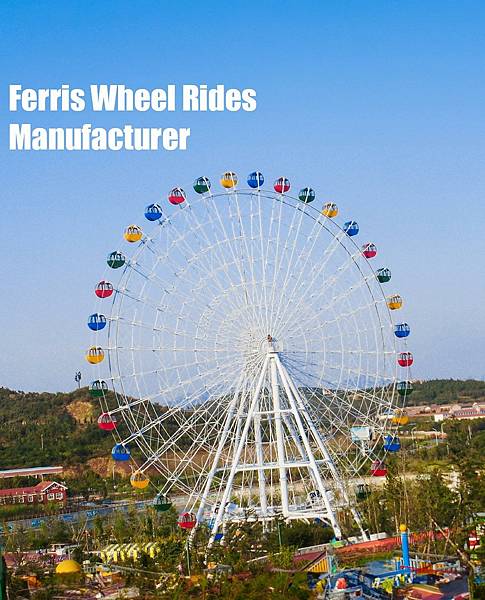
Ferris wheels stand as one of the most iconic amusement rides, drawing large crowds and providing a unique viewing experience. For operators and investors, understanding the factors that influence the cost of acquiring a Ferris wheel is essential for making an informed purchase. From material quality to operational capacity, several variables contribute to the pricing structure set by suppliers. This article explores the primary factors that influence Ferris wheel price, offering insight into what buyers can expect and how they can optimize their investment.
Manufacturing Materials and Structural Quality
One of the foremost determinants in Ferris wheel pricing is the type and quality of materials used in construction. Ferris wheels require robust, weather-resistant materials to ensure both safety and longevity. High-quality steel, for instance, is preferred for the main structural framework, as it provides superior strength and corrosion resistance. However, sourcing premium-grade steel often drives up manufacturing costs, subsequently influencing the ferris wheel price.
Moreover, the cabins or gondolas attached to the wheel are typically made of durable materials like fiberglass or aluminum, designed to withstand daily use and various environmental conditions. Suppliers that prioritize top-tier materials often charge higher prices, reflecting the enhanced durability and safety that such materials afford. For buyers, understanding the importance of material quality can be a key factor in choosing a reliable amusement ride supplier.